

There is a version of new construction homeownership that gets shown on Instagram. The fresh paint, the untouched floors, the perfectly staged model home. What does not get shown is the list of things you have to buy, install, and schedule in the first 60 days before your brand new home actually feels livable.
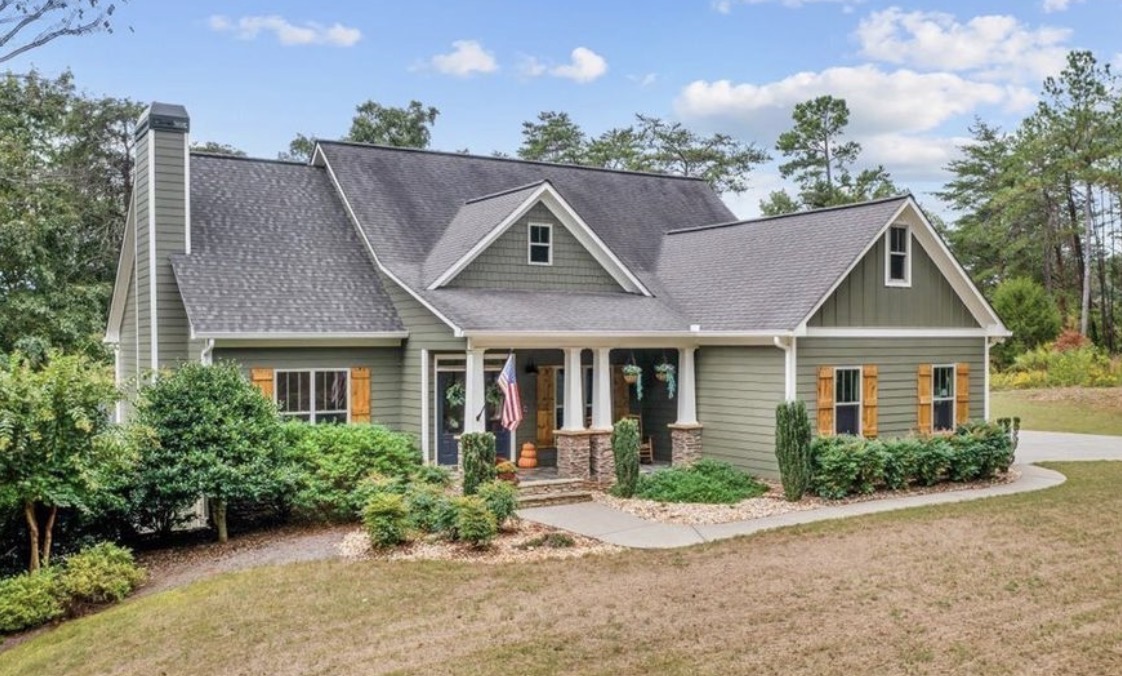
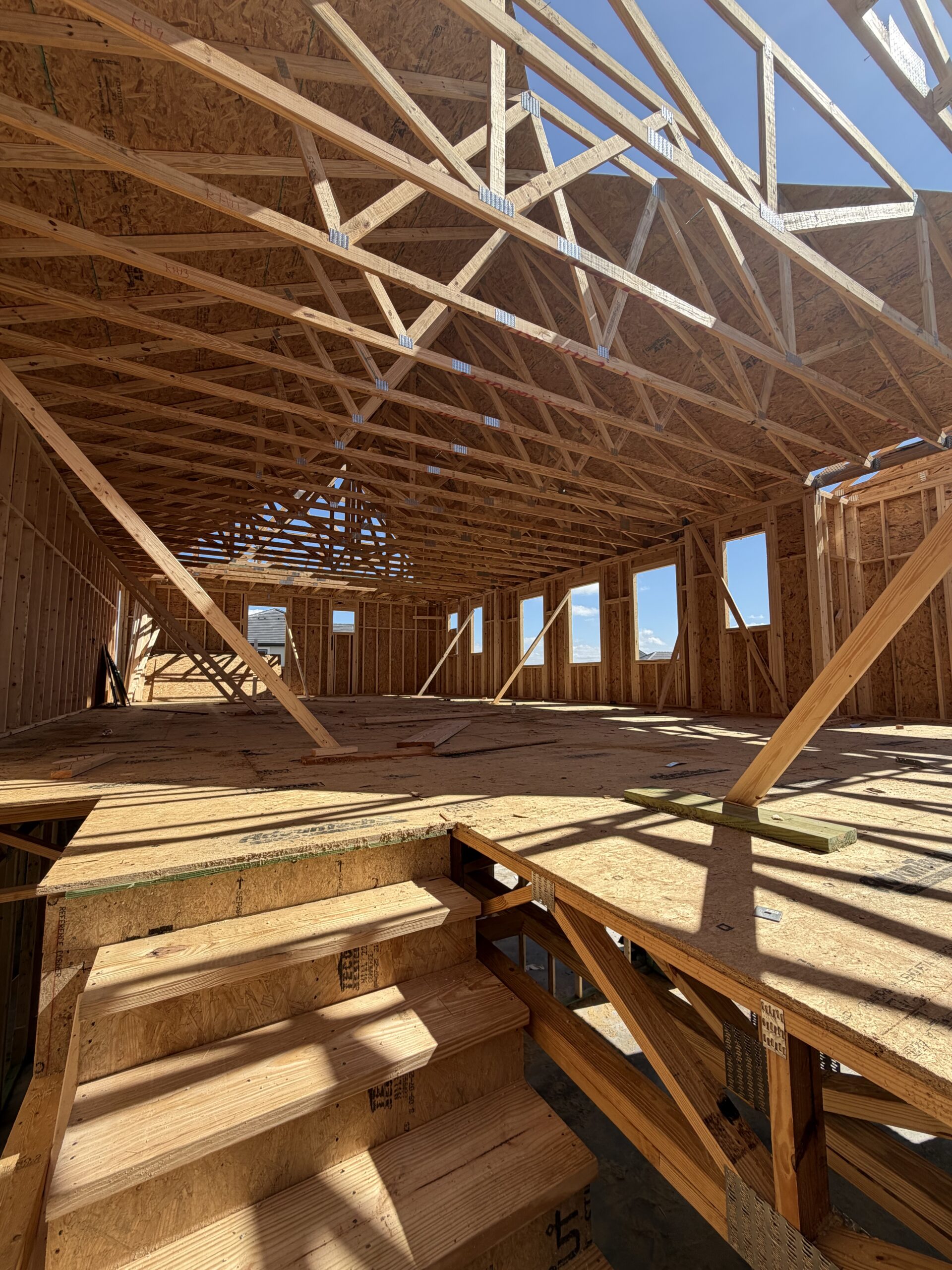
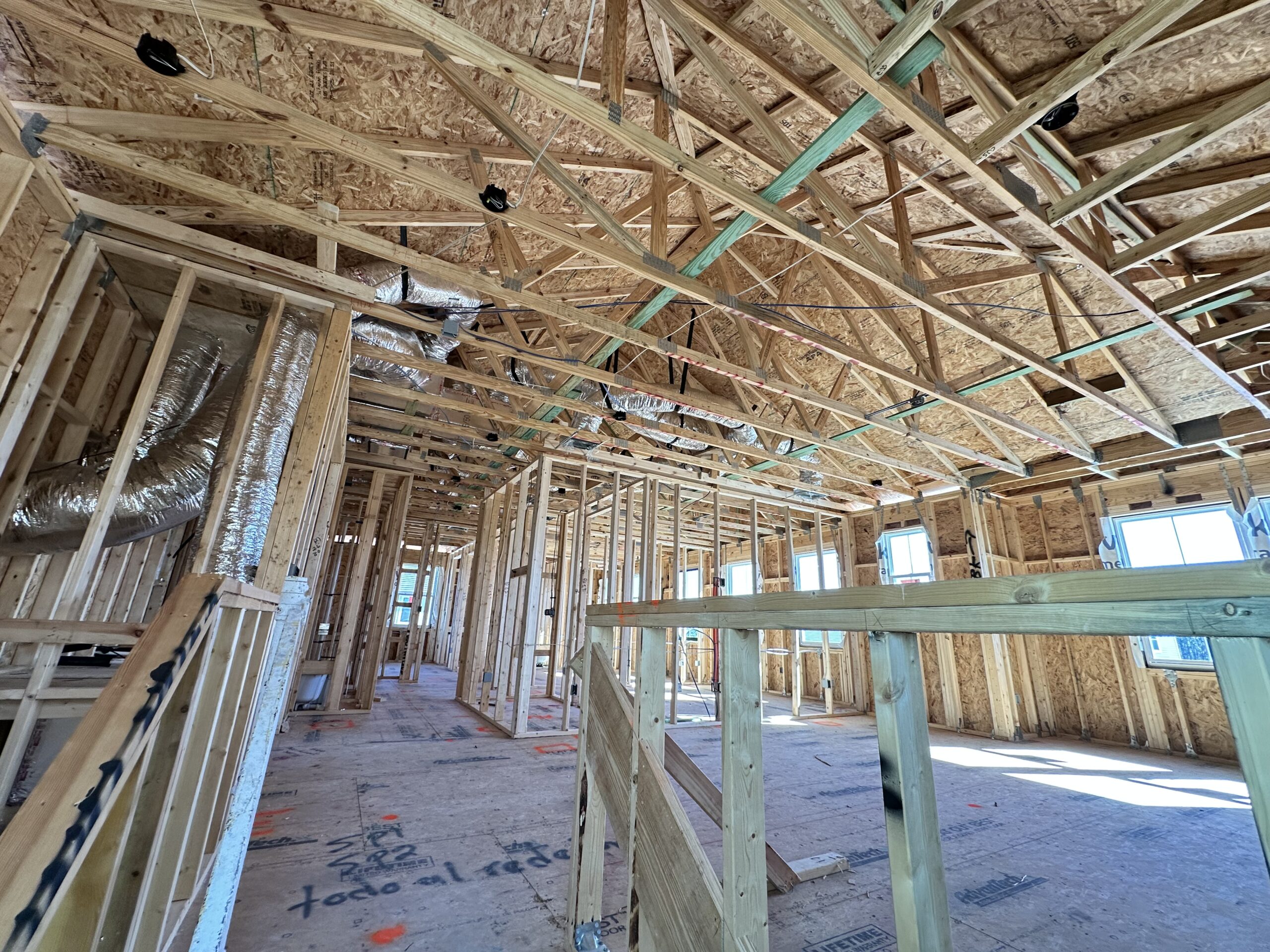
We built our current home from the ground up. We have also owned two other homes before this one. Nothing fully prepared us for how much a new construction home costs after you close. Not the mortgage. Not the builder upgrades. The things that just are not there yet.
This post is everything we wish someone had put in one place before we signed.
The New Construction Reality Nobody Talks About
When you buy a pre-owned home, certain things come with it. Blinds on the windows. A fence in the backyard. Gutters on the roofline. Maybe a security system, ceiling fans, a refrigerator. These things exist because someone lived there before you and made those decisions.
When you buy new construction, you are starting from zero. The home is beautiful and untouched and completely bare in ways you will not fully appreciate until you are standing in your living room with the sun blazing through the floor-to-ceiling windows and realize you have no blinds and no plan.
Here is what we spent money on in our first 60 days that we were not fully prepared for.
Blinds and Window Coverings for the Entire House
This was our single largest surprise expense. New construction homes almost never include window treatments. You are looking at every window in a brand new house and every single one needs something before you have any privacy or light control.
We went with zebra blinds throughout most of the house. The dual layer design gives full privacy at night and beautiful filtered light during the day, and the no-drill install made it manageable to do room by room rather than hiring someone.
In the dining room and living areas where we wanted a more elevated look, we added pinch pleat curtains with a matte black curtain rod. The combination of blinds plus curtains layered together gives the spa-like aesthetic we were going for without the cost of custom drapes.
Before you close on a new construction home, count every window and get a rough estimate of what window treatments will cost. For a full house it adds up faster than you expect.
A Screened Patio or Lanai
In Florida, a screened enclosure is not optional. It is the difference between using your outdoor space and never going outside because of the bugs and the heat. Our builder did not include screening with the base package. We had to contract it out separately after closing.
If you are buying new construction in any warm climate, ask specifically about outdoor screening during the build process. Getting it done during construction is significantly cheaper than having it added after the fact, because the crew is already there and the coordination is simpler. We learned this after the fact.
Ceiling Fans and Light Fixtures
New construction homes often include basic builder-grade light fixtures or nothing at all in certain rooms. Ceiling fans are almost never included. You will want them in bedrooms, the living room, and anywhere you spend time in warmer months.
Budget for the fans themselves plus installation if you are not comfortable with electrical work. Having a ceiling fan properly wired and mounted in multiple rooms in a day is worth the cost of a licensed electrician rather than a DIY job that takes a weekend. We got several fans installed that had a remote PLUS an app, so we can control them right from our phone.
Television Mounting
Builder walls are fresh drywall and you will want to know where the studs are before you start hanging anything heavy. A stud finder is non-negotiable.
For televisions specifically, we had both of ours professionally mounted. The combination of proper stud placement, cable concealment, and making sure the height and angle were right made it worth having someone do it properly rather than guessing. If you plan to mount TVs in your new construction home, budget for this before you move in rather than dealing with patch jobs later.
A Security System
A brand new home in a new development does not have an established security history. The neighbors are still moving in. The landscaping is sparse. It is worth setting up a security system before you have settled in enough to feel comfortable.
We went with a professionally monitored system. Others opt for a self-monitored smart home setup that can be less expensive but requires more active management. Either way, factor this into your first 60 days budget and set it up before the house is full of your belongings.
A Fence
If you have a yard, you may have no fence. Builders include fencing in some packages and not others, and in new developments it is common for the lots to be completely open. If you have children, pets, or simply want a defined outdoor space, a fence is a significant expense that needs to be contracted, permitted, and installed.
Get fencing quotes before you close if possible. Prices for materials have been volatile and lead times for contractors in high-growth areas can be long. Also, check if your HOA requires a specific type of fence (vinyl/aluminum) and the process for approval. Do not assume you can get it done the week after you move in.
Gutters
This one surprised us. Many new construction homes are delivered without gutters. Builders in certain climates or regions consider them optional or leave them off the base package entirely. Without gutters, rainwater runs directly off your roofline and can cause erosion, foundation issues, and water intrusion over time.
Walk around your new construction home during a heavy rain before you close if you can. See where the water goes. If the answer is directly down the sides of the house and pooling near the foundation, add gutters to your immediate to-do list.
A Refrigerator
This one catches people off guard. Many new construction homes include an oven, dishwasher, and microwave as part of the kitchen package but not a refrigerator. Some builders offer it as an upgrade or through their appliance package, but it is not always included by default.
We purchased our refrigerator through our builder as an add-on. If yours does not offer this option, you will be buying a refrigerator and coordinating delivery and installation immediately after closing, which is one more thing to manage during an already chaotic time. Confirm what appliances are and are not included before you finalize your purchase agreement.
What to Do Before You Close
The pattern across all of these is the same. Things that exist in pre-owned homes because someone lived there before you do not exist in new construction because you are the first. Every one of these costs is manageable when you plan for it and becomes a problem when you do not.
Before you close on a new construction home, walk through it with this list and ask yourself which items are not included. Get quotes. Build those costs into your post-closing budget alongside your mortgage payment, property tax, and insurance.
The home is new. The work is just getting started.
If you found this post useful, our Home Budget and Finance Planner includes a First Year Cost Estimator that helps you calculate the real total cost of homeownership in year one, including the expenses most buyers forget to account for. Our Home Offer Checklist also covers what to ask and verify during the new construction buying process, starting six months before you sign. Both are available in the shop at the link below.