

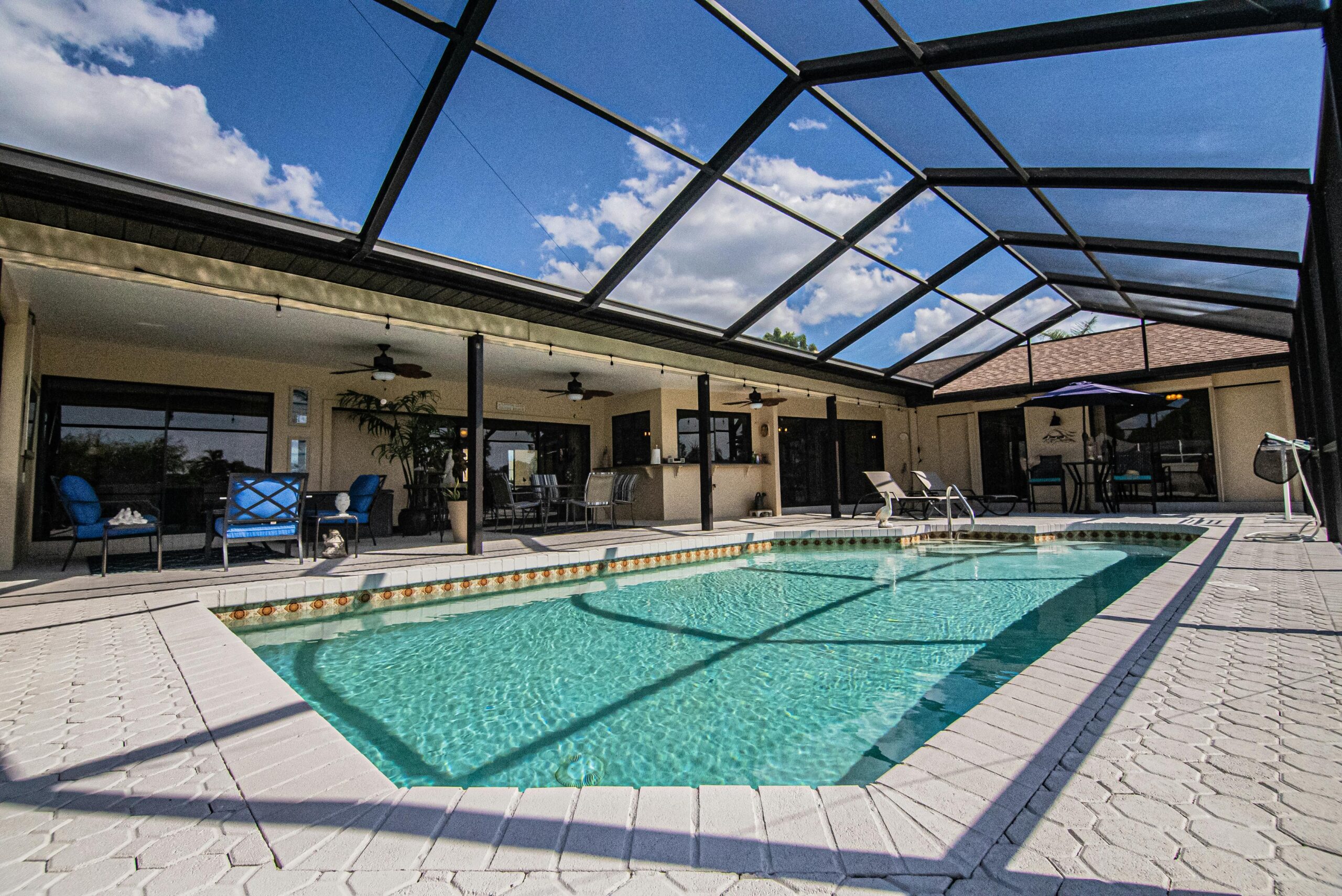
You bought a home in Florida. There is a pool in the backyard. Nobody handed you a manual.
This is one of the most common situations we hear about from first-time homeowners in the South. You fell in love with the house, the pool was part of the package, and now you are standing at the edge of it wondering what exactly you are supposed to do.
This post covers everything. Seasonal tasks, monthly tasks, when to call a professional, and how to avoid the mistakes that turn a small maintenance issue into a very expensive repair.
Why Pool Maintenance Actually Matters
A neglected pool does not just turn green. It becomes a breeding ground for algae and bacteria, puts stress on your pump and filtration system, and can cause permanent damage to your pool surface and equipment. Replacing a pool pump runs $500 to $1,500. Resurfacing a pool can cost $10,000 or more. Consistent maintenance is not optional. It is what protects that investment.
In Florida specifically, the combination of heat, humidity, and year-round use means your pool works harder than pools in northern climates. The good news is that Florida’s mild winters mean you never need to winterize and close your pool. The not-so-good news is that you also never get a break from maintaining it.
Monthly Tasks That Take Under 30 Minutes
Regardless of the season, these tasks happen every month without exception.
Test your water chemistry at least once a week. You are checking pH, chlorine, alkalinity, and calcium hardness. pH should stay between 7.2 and 7.6. Chlorine between 1 and 3 parts per million. You can use test strips or a liquid test kit. Liquid kits are more accurate.
Skim the surface and empty the skimmer baskets. Debris on the surface becomes debris on the bottom becomes a chemistry problem. Two minutes with a skimmer net every couple of days prevents bigger issues.
Brush the walls and floor of the pool. Even with good filtration, algae starts on surfaces before it becomes visible. A quick brush once a week keeps it from taking hold.
Run your pump and filter long enough. In Florida, a general rule is one hour of pump run time per 10 degrees of outside temperature. At 90 degrees, you are running your pump at least 9 hours a day. Most homeowners set this on a timer.
Check your filter pressure. If it reads 8 to 10 psi above your normal clean baseline, it is time to backwash or clean the filter.
Spring Tasks — March Through May
Spring in Florida means rising temperatures and more frequent use. This is the season to get ahead of algae before summer heat amplifies every imbalance.
Inspect all equipment after the mild winter. Check your pump, filter, heater if you have one, and all visible plumbing for cracks, leaks, or wear.
Shock the pool. A spring shock treatment clears out any buildup from reduced winter use and resets your water chemistry heading into the heavy season. Use a calcium hypochlorite shock product and follow the label instructions.
Check and adjust your stabilizer levels. Cyanuric acid, also called CYA or stabilizer, protects chlorine from being burned off by the Florida sun. Levels should be between 30 and 50 ppm. Too low and your chlorine disappears within hours. Too high and chlorine becomes ineffective regardless of how much you add.
Clean or replace your filter media if you did not do it in the fall.
Summer Tasks — June Through August
Summer is your most demanding season. High temperatures, heavy rain, and frequent swimmers all work against your water chemistry simultaneously.
Test your water chemistry twice a week rather than once. Rain in Florida can be intense and rapid. A heavy storm dilutes your chemistry and introduces phosphates and debris. You need to check and rebalance more frequently during rainy season.
Watch for algae warning signs. Cloudy water, a slight green or yellow tint, or slippery walls are all early warning signs. Catch it early and a shock treatment handles it. Miss it and you are looking at days of treatment and possible professional help.
Keep an eye on your water level. Heavy rain raises your pool level, which dilutes chemistry. High heat and evaporation lowers it, which concentrates chemistry and puts stress on your pump. You want the water level sitting at the midpoint of your skimmer opening.
Check your pump and filter more frequently. Summer is when equipment works hardest. Catching a problem in June is much cheaper than losing your pump in July.
Fall Tasks — September Through November
Florida’s fall is still warm, but usage typically drops and you have a window to do deeper maintenance before the holiday season.
Have your equipment professionally inspected. An annual service call from a pool technician is worth every dollar. They will check your pump motor, impeller, filter, seals, and electrical connections. Catching a failing motor in October beats an emergency replacement in December.
Clean your filter thoroughly. Depending on your filter type, this means backwashing and rinsing a sand or DE filter, or removing and hosing down cartridge elements.
Trim any trees or vegetation near the pool. Less debris in the fall means less skimming and less chemistry disruption heading into winter.
Adjust your pump run time down slightly as temperatures drop. You can typically reduce to 6 to 7 hours per day once consistent highs drop below 80 degrees.
Winter Tasks — December Through February
Florida winters are mild but not maintenance-free. You are still running the pool year round, which is both a blessing and a responsibility.
Continue weekly water testing. The chemistry demands are lower than summer, but imbalances still happen and still need correcting.
Watch for cold snaps. Florida occasionally sees overnight temperatures near or below freezing, particularly in Central and North Florida. When temperatures are expected to drop below 40 degrees, run your pump continuously overnight. Moving water does not freeze. Sitting water in pipes and equipment can crack on a cold night.
This is also your best season for any resurfacing, tile repair, or major work. Pool contractors are less busy and materials are easier to schedule.
When to Call a Professional
Some things are DIY. Some things are not.
Call a pool professional when: your pump is making unusual noises, your water will not clear up after multiple treatments, you notice cracks in the pool surface or deck, your pool is losing water faster than normal evaporation can explain, or you are adding chemicals and your chemistry readings are not moving.
A good pool technician on call is worth having from day one. Ask your neighbors who they use. Word of mouth in a neighborhood beats a random search every time.
The One System That Makes All of This Manageable
The homeowners who have the least trouble with pool maintenance are not the ones who know the most. They are the ones who have a consistent schedule and stick to it.
A simple checklist broken down by season takes the guesswork out of what to do and when. You do not have to remember everything. You just have to follow the list.
We built a Seasonal Pool Maintenance Checklist specifically for Florida-climate homeowners. Four pages, one per season, with every task laid out in order. It is available in our shop for $4.00.
If you also want a seasonal home maintenance checklist that covers the rest of your property alongside the pool, the Home and Pool Maintenance Bundle includes both for $8.00. You save $2 and have one checklist for the whole property.
Both are instant downloads. Print once, use every year.
Owning a pool in Florida is genuinely enjoyable when you know what you are doing. The maintenance is not complicated. It just needs a rhythm. Build the habit in your first year and it becomes second nature by year two.
If you found this post helpful, the seasonal home maintenance checklist covers everything else in your home the same way. You can find it in the shop or in our Resources page.