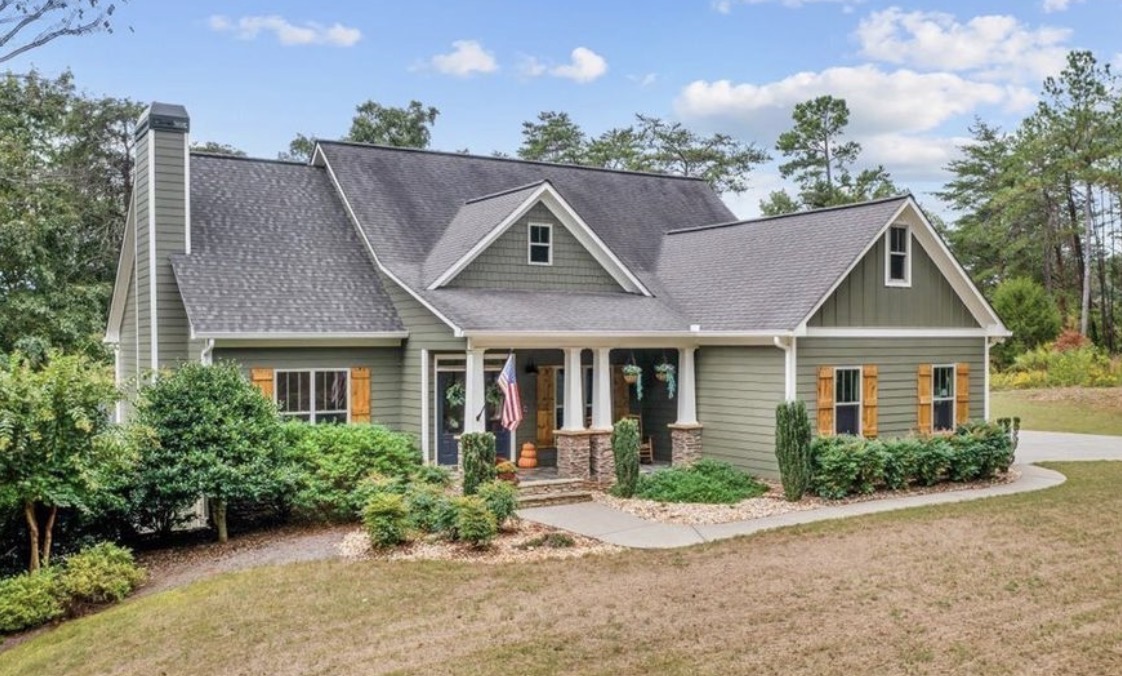



When we bought our first home on 10 acres, the inspection flagged the HVAC system as due for service. We figured we had time. The house was functional, everything was running, and we had a hundred other things to deal with after closing. We waited three months.
It cost us. Parts failed that a routine service call would have caught. What should have been a $150 service visit turned into a significantly more expensive repair. We learned the hard way that “due for service” on an inspection report is not a suggestion.
That experience is why this post exists. Not to give you a generic checklist you will ignore, but to give you the actual timelines, the reasoning behind them, and the ones that matter most when you are still figuring out how homeownership works.
Why Maintenance Timing Actually Matters
Most home repairs that blindside new homeowners are not random failures. They are deferred maintenance catching up. The HVAC that dies in July was the one that missed two service calls. The water heater that floods the basement at year seven was the one that was never flushed. The roof that starts leaking was the one where small flashing issues sat unaddressed for a season too long.
Consistent maintenance does not just prevent breakdowns. It extends the lifespan of every major system in your home, keeps your warranties valid, and gives you documentation that adds real value when you eventually sell.
The goal of this guide is not to overwhelm you. It is to give you a realistic schedule you can actually follow.
Every Month
HVAC filter replacement or inspection. This is the one most new homeowners skip longest and regret most. Standard 1-inch filters should be replaced every 30 to 90 days depending on your home. Homes with pets, allergies, or dusty environments need replacement closer to every 30 days. A clean filter keeps your system running efficiently and prevents the kind of strain that leads to early part failure. We now keep a full box of filters in the utility room and write the change date on the side of the unit every time.
Check your water softener salt level if you have one. Running dry causes hard water damage to appliances and plumbing faster than most people expect.
Test your smoke and carbon monoxide detectors. Press the test button. Replace batteries at the first sign of a low-battery chirp. Do not wait.
Every 3 Months
Deep HVAC filter replacement if you are using thicker 4-inch filters. These last longer but still need regular attention.
Check your fire extinguishers. Verify the pressure gauge is in the green zone and the pin and tamper seal are intact.
Flush your garbage disposal. Run ice cubes and rock salt through it to clean the blades and eliminate odors. Takes two minutes.
Inspect your water heater for signs of corrosion, leaks around the base, or unusual sounds during heating cycles. Catching a minor issue early is the difference between a repair and a replacement.
Every 6 Months
Service your HVAC system professionally. This is the one we skipped and paid for. Twice a year, before cooling season and before heating season. A licensed technician will check refrigerant levels, clean the coils, inspect electrical connections, and catch anything the filter cannot. The cost is typically $80 to $150 per visit. The cost of skipping it is significantly higher. Even better – also clean in between visits yourself to length your unit’s lifespan.
Clean your dryer vent. Lint buildup in dryer vents is one of the leading causes of house fires. Pull the dryer away from the wall, disconnect the vent hose, and clean it thoroughly. If your vent run is long or your dryer takes more than one cycle to dry a load, consider a professional vent cleaning.
Test your garage door auto-reverse feature. Place a 2×4 flat on the ground under the door and close it. The door should reverse immediately on contact. If it does not, adjust the sensitivity settings or call a technician.
Check caulking around windows, doors, and in bathrooms. Cracked or missing caulk lets water in. Water causes rot and mold. Recaulking takes 30 minutes and costs almost nothing.
Flush your water heater. Sediment builds up at the bottom of your tank over time, reducing efficiency and shortening the lifespan of the unit. Connect a garden hose to the drain valve at the base of the heater, run it to a drain, and flush until the water runs clear. Takes about 20 minutes.
Every Year
Have your HVAC serviced professionally if you are only doing one visit instead of two. Fall is the better timing since you are heading into heating season.
Inspect your roof. You do not need to get up there yourself. Walk the perimeter and look for missing shingles, lifted flashing, or granules accumulating in your gutters. After any significant storm, do a visual check from the ground. If anything looks off, get a roofer to take a look before a small issue becomes a leak.
Clean your gutters. Clogged gutters cause water to back up against your fascia, roof edge, and foundation. Clean them in late fall after leaves have dropped and again in spring. If you have trees directly over your roof, clean them more frequently.
Service your water heater anode rod. The anode rod is a sacrificial metal rod inside your water heater that prevents the tank from corroding. It needs to be inspected every one to three years and replaced when it is significantly depleted. This single maintenance task can double the lifespan of your water heater.
Inspect your attic. Look for signs of moisture, pest activity, insufficient insulation, and proper ventilation. A quick annual check catches problems that are invisible from the living space below.
Have your chimney inspected and cleaned if you have a fireplace or wood-burning stove. Creosote buildup is a fire hazard and inspection is required to keep most homeowners insurance policies valid.
Test your sump pump if you have one. Pour water into the pit until the float triggers the pump. Make sure it activates and drains properly before you need it during a storm.
Every 2 to 3 Years
Seal your driveway if it is asphalt. Unsealed asphalt oxidizes, cracks, and deteriorates. Sealing every two to three years extends its lifespan significantly.
Have your septic system inspected if you are not on municipal sewer. Septic systems should be pumped every three to five years depending on household size. Ignoring this is one of the most expensive mistakes rural homeowners make.
Repaint exterior trim and surfaces as needed. Paint is not just cosmetic. It is a moisture barrier. Peeling or cracked exterior paint lets water into your wood framing.
The Tasks Most New Homeowners Skip Too Long
Based on our own experience and the most common issues first-time homeowners run into, these are the ones that tend to get deferred longest and cause the most expensive problems:
HVAC service. We already told you what skipping this cost us.
Dryer vent cleaning. Most homeowners have never done this. The lint you cannot see is the problem.
Water heater maintenance. Flushing and anode rod replacement are almost universally skipped until the heater fails.
Gutter cleaning. Clogged gutters cause foundation issues, roof damage, and basement leaks. All of them are expensive.
Caulking. A $10 tube of caulk prevents water intrusion that leads to rot, mold, and structural damage.
The System That Makes This Manageable
The reason most homeowners fall behind on maintenance is not laziness. It is that there is no system. Tasks pile up, the timing gets fuzzy, and suddenly you are six months behind on something that should have been done quarterly.
Our Seasonal Home Maintenance Checklist breaks every task down by season with clear timing so nothing falls through the cracks. Four pages, one per season, built specifically for new homeowners who want a system they can actually follow. Available in the shop for $6.00.
If you want to combine your maintenance checklist with a full home budget, appliance warranty tracker, and home management binder in one place, the Complete Home Management Bundle covers all of it for $18.00.
Homeownership does not have to mean constant surprises. Most of the expensive repairs that catch new homeowners off guard are predictable and preventable. Build the schedule once, follow it consistently, and your home will cost you less over time, not more.