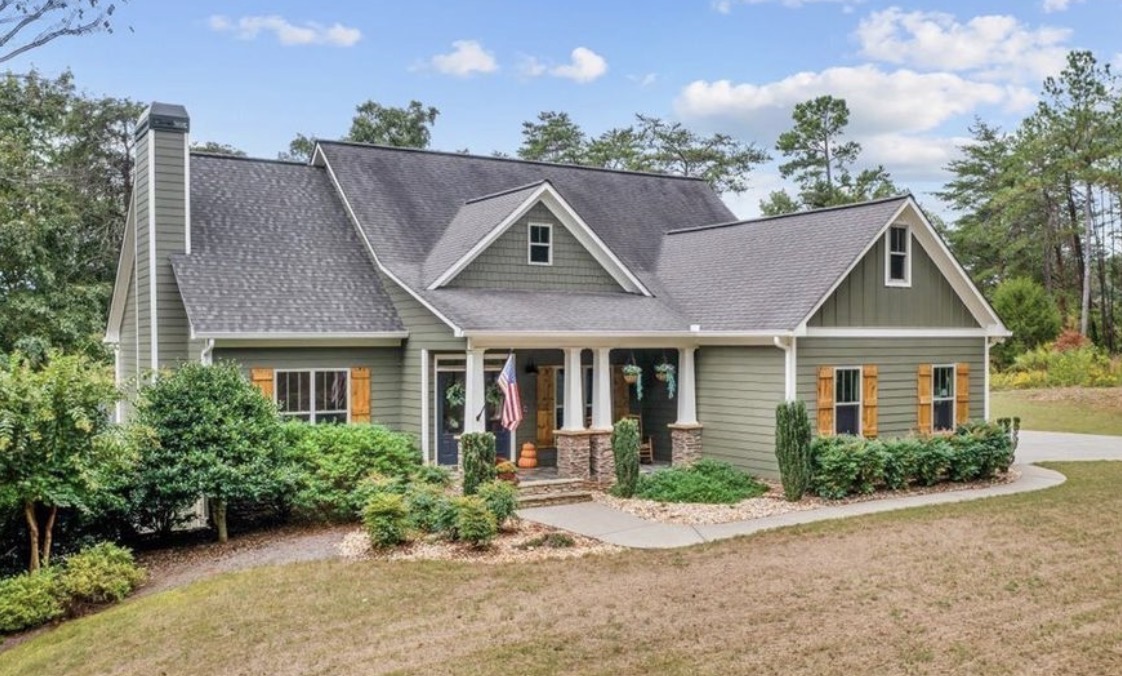



The number on the closing disclosure is not the number you actually spend. We learned this firsthand when we bought our first home on 10 acres and discovered that the mortgage payment was just the beginning of a much longer list.
In the months after closing, costs showed up that we had either completely forgotten about or never known to budget for in the first place. The property tax bill that arrived separately from escrow. The insurance premium adjustment we did not see coming. The water heater that chose month four to stop cooperating.
A recent analysis from Zillow and Thumbtack found that the hidden costs of homeownership now average nearly $16,000 per year nationwide on top of the mortgage. That breaks down to about $1,325 per month that most first-time buyers are not fully accounting for when they calculate what they can afford.
This post covers all of it. Not to scare you, but so none of it catches you off guard.
This post contains affiliate links. If you purchase through these links we may earn a small commission at no extra cost to you. We only recommend products we have used or genuinely believe in.
The Costs That Hit in the First 90 Days
The first three months after closing tend to produce the most financial surprises. Here is why, and what to expect.
The Escrow Shortage Letter
This is probably the most common surprise for first-time buyers and one of the least understood. When your lender sets up your escrow account at closing, they estimate your annual property tax and insurance costs and collect a portion each month to cover them when the bills come due.
The problem is that those estimates are sometimes wrong. If your property taxes or homeowners insurance come in higher than projected, your escrow account runs short. When that happens, your lender sends an escrow shortage notice and raises your monthly mortgage payment to make up the difference, usually spread over the next 12 months.
This can add anywhere from $50 to $200 or more per month to a payment you thought was fixed. It is not optional and it is not negotiable. It is simply how escrow works.
What to do: When you receive your first annual escrow statement, read the whole thing. Look at what your actual tax and insurance bills were versus what was projected. If there is a shortage, you usually have the option to pay it as a lump sum instead of spreading it across your payments. If you can cover it upfront, that is often the better move because it keeps your monthly payment stable.
The Property Tax True-Up
Depending on your state and when you closed, your first year of property taxes can be complicated. In some markets, the assessed value on your home resets to the purchase price after a sale, which means your tax bill in year one could be significantly higher than what the previous owner was paying.
This is especially common in California under Proposition 13, in Texas where reassessments are frequent, and in Florida where homestead exemptions only apply after you have owned the property for a full year. If you bought in Tampa or anywhere in Florida, you likely will not receive the homestead exemption benefit until your second year.
Check with your county assessor’s office or your title company to understand exactly when your first full property tax bill will arrive and what the assessed value will be based on. Do not assume it will match the previous owner’s tax history.
Utility Setup Costs and Deposits
Many first-time buyers forget to budget for the cost of setting up utilities in a new home. Depending on your market and your credit history, utility companies may require a deposit of one to two months of estimated usage before they activate service. For electric, gas, and water combined, this can run $200 to $500 upfront before you have flipped a single light switch.
Also be prepared for your first few utility bills to be higher than expected while you figure out the home’s patterns. An older HVAC system, poor attic insulation, or drafty windows can send your energy bills well above what you budgeted. Our seasonal maintenance checklist covers the most common energy efficiency fixes that pay for themselves quickly.
Ongoing Costs Most Buyers Underestimate
Homeowners Insurance Premium Increases
Insurance is not a fixed cost. Nationwide, homeowners insurance premiums have risen 48 percent since 2020, according to the Zillow and Thumbtack analysis. In Florida, where we are based, some markets have seen premiums rise 70 percent or more over the same period. If you locked in a rate at closing, expect it to adjust at renewal.
The average annual homeowners insurance premium nationwide is now just over $2,000 per year. In high-risk markets for hurricanes, wildfires, or flooding, it can be significantly higher. If your home requires separate flood or wind insurance, those are additional policies on top of your standard homeowners coverage.
Shop your insurance every year at renewal. Loyalty to your carrier does not typically save you money. Getting two or three quotes takes less than an hour and can save several hundred dollars annually.
PMI: The Payment That Feels Invisible
If you put down less than 20 percent on your home, you are almost certainly paying private mortgage insurance. PMI typically runs between 0.5 and 1.5 percent of your loan amount per year, added to your monthly mortgage payment.
On a $300,000 loan, that is $125 to $375 per month for coverage that protects your lender, not you. Most buyers know PMI exists, but many do not track when they become eligible to remove it.
Once your loan-to-value ratio drops to 80 percent, you can request PMI cancellation. Your lender is required by law to remove it automatically when you reach 78 percent. If your home has appreciated significantly, you may be able to request a new appraisal to reach that threshold faster. Set a calendar reminder to check this annually.
Pro Tip: If you are eligible for a VA loan, ask your lender if you still need PMI – you normally don’t! In addition, if you are a disabled veteran, you normally can have your one time Funding Fee waived, making a VA loan the best financial option for many of those who qualify!
HOA Fees and Special Assessments
If your home is in an HOA community, you already know about the monthly dues. What many buyers do not fully appreciate is that those dues can increase and that special assessments can arrive at any time.
A special assessment is an additional charge levied by the HOA to cover a major expense that the regular dues did not budget for. A new roof on a shared building, a repaving project, a pool renovation. Special assessments can be hundreds or thousands of dollars, due in a short window, with little warning.
Before you closed, you should have received HOA financial documents including the reserve fund balance. A well-funded HOA with strong reserves is much less likely to issue a special assessment. An HOA running on thin reserves is a risk. If you did not review those documents before closing, request them now and understand what you are working with.
Pro TIp: Do your research on the difference between HOAs and CDDs. In Florida, it’s very typical for newer communities to have both. But, HOAs are paid to your community manager (often times a third party management company) while CDDs are included in your property tax bill (and thus often paid via your escrow account).
The Costs Nobody Puts in the Budget
Maintenance: The 1 Percent Rule
The standard guidance is to budget 1 percent of your home’s purchase price per year for maintenance and repairs. On a $350,000 home, that is $3,500 per year, or about $292 per month. Some experts recommend going as high as 2 percent for older homes or properties with aging systems.
The Zillow and Thumbtack analysis found the average homeowner actually spends nearly $11,000 per year on maintenance alone. That number skews high because it includes major system replacements, but it illustrates how quickly costs accumulate when you are responsible for everything.
The 1 percent rule is a starting point, not a ceiling. We put it into a dedicated sinking fund every month so it is there when we need it rather than coming out of cash flow in a bad month.
From us: In our first home, we skipped the maintenance fund in the early months because money was tight after closing. Then the refrigerator died in month five and the gutters needed replacing in month seven. Both came out of money we did not have sitting around. We have never skipped the fund since. Even $100 a month adds up to $1,200 before your first anniversary.
The First Major Repair
Almost every first-time homeowner has a story about the first big thing that broke. Our HVAC story is the one we tell most often. But we have heard versions of this from nearly everyone who has bought their first home. Water heater. Furnace. Roof leak. Sump pump on the first night of a bad storm.
The median cost of an HVAC replacement is $5,000 to $12,000 depending on your home size and system type. A water heater runs $1,000 to $2,000 installed. A new roof can be $8,000 to $20,000 or more. None of these costs wait for a convenient time.
The home inspection gives you a snapshot of a system’s current condition, but it cannot tell you how much life is left. If your inspector noted that the HVAC is 12 years old and functioning, that means it could last another 10 years or it could need replacement next winter. Budget for the possibility.
Lawn, Landscaping, and Exterior Maintenance
If you came from an apartment, you may not have fully priced in what it costs to maintain an outdoor space. Lawn care equipment or a lawn service. Mulch and planting in spring. Gutter cleaning twice a year. Power washing the driveway or siding. Snow removal if you live somewhere it matters.
These costs are easy to overlook because none of them are large individually. Collectively they add up to $1,500 to $3,000 per year for a typical property depending on your yard size and how much you DIY. If you have a pool, add another $1,200 to $3,000 annually for chemicals, service, and equipment.
Window Treatments, Appliances, and Moving-In Costs
The house does not come with curtains. Or a refrigerator, in many cases. Or a washer and dryer. Or the shelving, storage solutions, and furniture configurations that worked in your last place but do not quite fit the new one.
First-time buyers routinely underestimate the cost of furnishing and equipping a home they just bought. A realistic budget for window treatments alone in a three-bedroom home runs $500 to $2,000 depending on your choices. Appliances, if not included in the sale, can add $3,000 to $6,000. Moving costs for a local move average $1,000 to $2,500.
None of these costs are emergencies, but they arrive in the same window as closing costs, the escrow shortage, and the first property tax bill. The financial pressure in the first 90 days is real. Planning for it in advance makes it manageable.
Costs That Depend on Your Specific Home
Pest Control and Inspections
Depending on where you live, pest control is not optional. In Florida, termite coverage is something most homeowners carry continuously. Annual termite inspections typically run $75 to $150 and a treatment, if needed, can cost $500 to $3,000 depending on the type and extent of infestation. Ongoing pest control service runs $40 to $100 per month in most markets.
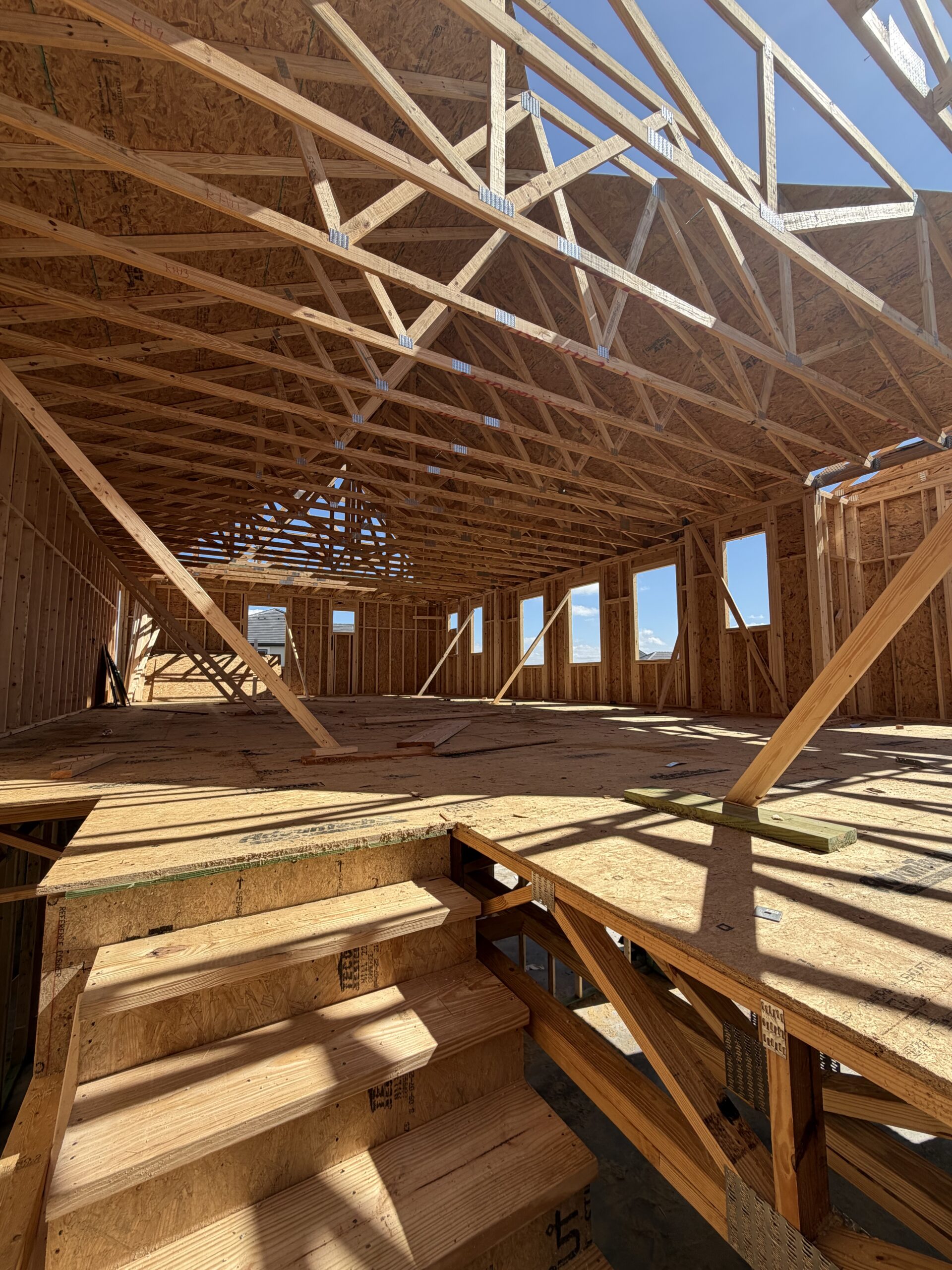
If your home inspection found any evidence of past pest activity or if you are in a high-risk area, factor this in from day one. We had monthly treatments for the first year due to living around dense trees (picture shown above).
Well and Septic
If your home uses a well for water or a septic system for waste, you have maintenance costs that homeowners on municipal systems do not. Septic tanks should be pumped every three to five years at a cost of $300 to $600. Well water should be tested annually for contaminants at around $100 to $400 depending on the test panel. If a pump or pressure tank fails, replacement runs $500 to $2,500.
We bought our first home on 10 acres with both a well and a septic system. Neither of these felt like a big deal until we got into it. They are not scary, but they require attention that city water and sewer connections simply do not.
Older Home Systems
The age and condition of your home’s major systems are the single biggest predictor of your first-year repair costs. A home built in the 1970s with original plumbing, an aging electrical panel, and a furnace that has been there since the Clinton administration is a different financial proposition than a 10-year-old home with updated systems throughout.
This is not a reason to avoid older homes. Many are better built and better located than newer construction. It is a reason to go into the purchase with eyes open about what the next five years of ownership might require and to build the budget accordingly.
How to Actually Budget for All of This
The good news is that none of these costs are unplannable. They are just costs that require a system.
Here is the framework we use and recommend:
- Mortgage, taxes, insurance, HOA, and PMI: these belong in your fixed monthly budget. Add them all up and treat the total as your actual housing payment, not just the mortgage number.
- Maintenance reserve: treat this as a non-negotiable monthly transfer to a dedicated savings account. Start with 1 percent of your home’s value divided by 12. Build it before you need it.
- Sinking funds for known future expenses: HVAC, roof, appliances, water heater. Each one gets a monthly contribution based on estimated replacement cost divided by years of expected life remaining.
- Emergency buffer: separate from the maintenance reserve. This is for the things that do not wait. Three months of housing costs is a reasonable target.
The math looks intimidating when you add it all up. But when you break it down into monthly numbers and build the habit early, it becomes the system that means a $6,000 repair bill is an inconvenience rather than a crisis.
The Bottom Line
Your mortgage payment is the starting point, not the finish line. The real cost of homeownership in year one includes property taxes, insurance, maintenance, utilities, PMI, and the inevitable first major repair. Together these costs average over $15,000 per year nationally on top of the mortgage.
The homeowners who handle this well are not the ones who earn more. They are the ones who planned for it. A maintenance fund, a set of sinking funds, and a clear picture of your true monthly housing cost are the three things that separate a stressful first year from a manageable one.
The First Year Cost Estimator tab in our Home Budget and Finance Planner calculates your true monthly housing cost automatically. Enter your home price, interest rate, property tax rate, and insurance amount and it builds out the full picture including a 1 percent maintenance reserve and a 28 percent affordability check. It is the sheet we wish we had built before we closed on our first home. Available at fromoffertoowner.com or in the From Offer to Owner Etsy shop.
And if you are still in the early weeks of homeownership and figuring out what to do first, the first 30 days guide covers exactly what to tackle and when so nothing important falls through the cracks.