

Moving into your first home and wondering what you missed? Here are the honest lessons we learned the hard way — from building our home from the ground up to everything we wished someone had told us sooner.
There is nothing quite like the moment you walk into a home that is completely yours.
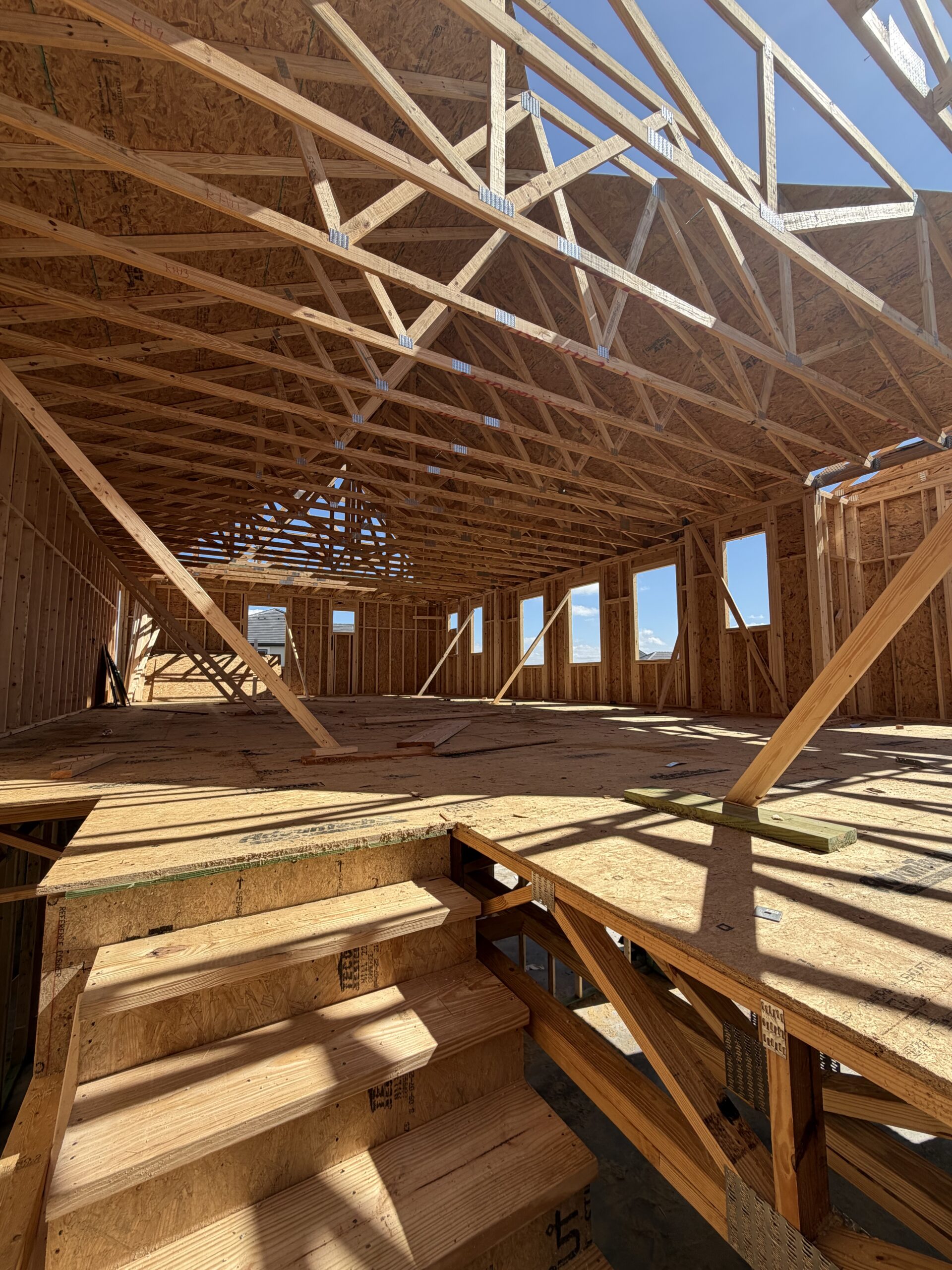
For us that moment came after months of watching our home being built from the ground up. Every wall framed, every wire run, every fixture chosen. We knew this house better than most homeowners ever know theirs. We had watched it go from a concrete slab to a place we actually lived in.
And we still got caught off guard.
That is the thing nobody tells you about homeownership. It does not matter how prepared you think you are. There will always be things you wished someone had mentioned sooner. Things that seem obvious in hindsight but genuinely were not at the time.
This post is our honest list. The lessons we learned, the mistakes we made, and the things we would tell ourselves if we could go back to move-in day. Whether you are building new, buying pre-owned, or somewhere in between, these apply to you.
This post contains affiliate links. If you purchase through these links we may earn a small commission at no extra cost to you. We only recommend products we genuinely believe in.
1. YOU WILL NEVER FEEL FULLY READY AND THAT IS OKAY
We built our home. We watched every step of the process. We knew where every pipe ran and every breaker connected. And on move-in day we still stood in the middle of our living room thinking, okay, now what?
There is no amount of preparation that makes the first day of homeownership feel completely natural. The responsibility is real and it takes time to settle into. Give yourself grace in those early weeks. The overwhelm is normal. It fades.
2. DOCUMENT EVERYTHING BEFORE YOU MOVE YOUR FURNITURE IN
This is the one we wish someone had told us on day one.
Before a single box comes through the door walk every room with your phone and take photos and video of everything. Walls, floors, ceilings, inside every cabinet, behind appliances, under sinks, in the attic, in the garage. Every inch. Don’t forget the exterior as well!
When you build new this documentation is especially valuable. You have photos of exactly where every pipe and wire runs inside the walls before drywall covers them. That information is genuinely priceless the first time a plumber or electrician needs to find something.
It also protects you for insurance purposes and gives you a baseline for any future damage claims.
3. KNOW WHERE EVERYTHING IS BEFORE YOU NEED IT URGENTLY
On a calm Tuesday afternoon go find your main water shutoff valve and make sure everyone in your household knows exactly where it is. Find your electrical panel. Find your gas shutoff. Find your HVAC system and note the filter size.
When we built our home we had the advantage of watching everything get installed. We knew exactly where our shutoffs were from day one. But even with that knowledge we still had a moment early on where we could not remember which breaker controlled which room because we had not labeled the panel properly yet.
Label everything. A label maker is one of the best $20 investments a new homeowner can make.
4. BUILDER WARRANTIES ARE NOT THE SAME AS HOMEOWNER WARRANTIES
When you build new your home comes with a builder warranty. Ours covered certain defects for specific periods. Typically one year for workmanship, two years for mechanical systems, and ten years for structural issues. The details vary by builder and by state.
Read yours carefully before you move in. Know exactly what is covered, for how long, and what the claims process is. We had a minor issue with our plumbing in our first year that was completely covered but only because we knew to call the builder instead of a contractor. Had we not known that we would have paid out of pocket for something we were entitled to for free.
Also make sure you pay specific attention to what voids those warranties. For example, if we installed our fence right on our property line instead of six inches inside of it, any warranty for improper grading of our backyard was immediately voided.
File everything in writing. Keep records of every communication with your builder. Report anything that seems off within your first year while workmanship coverage is still active.
5. NEW HOMES STILL NEED IMMEDIATE MAINTENANCE
This was our biggest surprise. We assumed that because everything was brand new nothing would need attention for years.
We were wrong.
New construction settles. Caulking shrinks and cracks. Paint scuffs happen on move-in day. Grout needs sealing. Appliances need to be registered for warranty purposes immediately. HVAC filters need replacing within the first 30 days of regular use because of all the dust and debris from construction.
The first 90 days in a new build involve more maintenance tasks than we expected. Do not assume new means zero effort. It just means different effort.
6. GET TO KNOW YOUR HVAC SYSTEM DEEPLY
We watched our HVAC system get installed. We knew the brand, the model, and where every vent ran. And we still underestimated how much attention it would need.
Your HVAC system is the hardest working and most expensive system in your home. Learn where the filter is, what size it takes, and how often to replace it. Set a calendar reminder. Buy a multipack so you always have one on hand.
In a new build specifically, replace your filter within the first 30 days regardless of what anyone tells you. Construction dust is brutal on a new system and a clogged filter in month one can cause problems that void your warranty.
7. YOUR UTILITY COSTS WILL SURPRISE YOU
We had owned homes before so we thought we knew what to expect from utility bills. We did not, at least not for this specific home.
Every home is different. The size, the insulation, the windows, the direction it faces, the efficiency of the appliances, all of it affects what you pay every month. Budget conservatively for your first full year and track your bills month by month. By the time you have been through all four seasons you will have a realistic picture of your actual costs.
In a new build you also have the advantage of everything being energy efficient and under warranty. Use that first year to understand your home’s patterns before anything ages.
8. BUILD YOUR CONTRACTOR NETWORK BEFORE YOU NEED IT
This is the advice we give every new homeowner without exception.
Find a reliable plumber, electrician, and HVAC technician before you ever need one urgently. Ask neighbors for recommendations. Check reviews. Save their numbers in your phone.
When we built our home we had a relationship with the subcontractors who did the work. For issues in the first year we could call them directly. After that warranty period ended we had to build a new network from scratch. We learned quickly that finding a good contractor when something is actively broken is a terrible time to be interviewing people.
See if companies that contract with your builder also offer residential services. We were able to hire a plumber from the same company who installed all of the plumbing in our home to add in a whole home water filter a few months later. The bonus with this is they were familiar with the workmanship and install techniques.
Do not wait for an emergency. Build your list now.
9. THE PUNCH LIST IS NOT THE END
If you built new you know what a punch list is. It is the final list of items your builder needs to address before you close. You walk the home, note everything that needs fixing, and they take care of it.
Here is what nobody tells you. The punch list is not the end of the process. It is the beginning of a long term relationship with your home’s imperfections.
New builds continue to reveal small issues for months after move-in. Doors that stick as the house settles. Grout that cracks. Caulk that shrinks. None of these are major but they are ongoing. Keep a running list and address them seasonally rather than letting them pile up or stressing about each one individually.
10. SET UP YOUR HOME MANAGEMENT SYSTEM IN MONTH ONE
The single best thing we did early on was set up a simple home management system before we actually needed it.
A dedicated folder for closing documents. A log for every repair and service call. A seasonal maintenance calendar. A place to store appliance manuals and warranty information.
When you build new you have so much documentation. Building plans, appliance specs, warranty paperwork, subcontractor contacts. Having a system to organize all of it from day one saved us countless hours and at least a few hundred dollars in warranty claims we were able to make because we had the paperwork.
You do not need anything fancy. A simple binder works perfectly. We made a printable home management binder specifically for this. Grab it in the shop if you want the done-for-you version.
11. GIVE YOURSELF THE FIRST YEAR TO JUST LEARN YOUR HOME
This is the one we wish someone had told us most.
Your first year is not about perfecting your home. It is about learning it. Understanding how it heats and cools. Noticing where the sun hits in the morning and where the drafts come from in winter. Figuring out which maintenance tasks matter most for your specific house in your specific climate.
Do not pressure yourself to have everything figured out immediately. Do not compare your home to anyone else’s. Just pay attention, stay organized, and give yourself grace.
Homeownership is a long game. You have time.
FINAL THOUGHTS
Building our home from the ground up gave us a perspective on homeownership that most people never get. We understood how it was put together in a way that made us better prepared for everything that came after.
But even with all of that knowledge there were still things we wished we had known sooner. Things we learned by living in the home rather than building it.
That is what this blog is for. Every post we write is something we wish someone had told us so you can skip the hard way and go straight to the part where you feel confident and prepared.
Ready to get organized from day one? Check out our First 30 Days checklist for the exact week by week action plan, and browse our printable tools in the Etsy shop for done-for-you home management resources.